Sunday, 19 January 2025

Scaffolding, When Is It Necessary?

Deciding between a ladder or scaffolding for your home renovations or roofing project is a common conundrum. Safety and access are key, and knowing when scaffolding is necessary will ensure both. Mobile scaffolding provides stability and support when tasks involve height or more than basic access is required.

There are several situations where scaffolding over a ladder might be the way to go. These are projects that require working at heights for long periods or carrying heavy loads that a ladder can’t handle. Knowing these factors will make home renovations safer and more efficient.

Assess the Job

Before any job begins, most scaffolding suppliers including Reliable Access will want to visit the site to assess the work. We need to see the access points, identify the obstacles and think about all the safety aspects. A site visit provides us with more information than just being told about the job over the phone. After we have assessed the site, we can help you determine what you need to safely and efficiently do the job. So you’re prepared and have a plan.

Working at Height

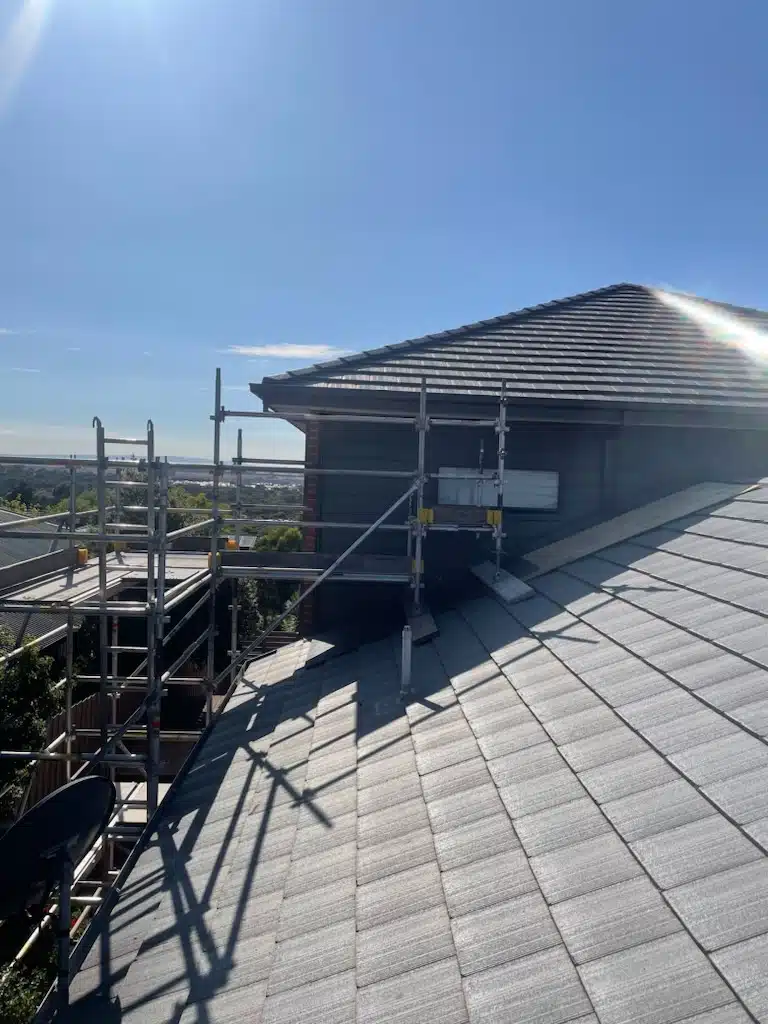
When tasks are above ground level safety must be number one. For small jobs like painting a ladder might be enough, although you may need to reposition frequently. Ladders are good for solo jobs but can be limiting. But larger jobs that require more people like painting and gutters might benefit from a more stable platform. A scaffolding solution such as a mobile tower provides a safer environment to store tools and reduce the risk of objects falling. Scaffolding allows workers to move freely and comfortably while doing their job. This structured support helps in managing tools safely and efficiently. So choosing the right equipment is key to safety and efficiency.

Job Type and Job Duration

Jobs at height often use scaffolding. Instead of investing in big equipment, a mobile scaffold is a practical and cost effective solution. Here are some common jobs that use scaffolding:

  • Painting: Access at elevated levels.
  • Gutter Repairs: Safe and stable work on house exteriors.
  • Roofing: Secure footing on roofs.
  • Window Cleaning: Safe access to high windows.

These jobs are safer and more efficient with the right scaffolding equipment, especially from a Melbourne based company such as Reliable Access.

Considerations:

  • Safety: Is climbing up and down a ladder repeatedly safe?
  • Efficiency: Would a work platform speed up the job?

Using a work platform allows tools to be at the required height, so safety and efficiency is improved by reducing climbs. This job planning approach ensures the job is done with minimal risk and maximum productivity.

Workforce

When more than one person is working at height it’s important to think about safety. Scaffolding plays a big part here. Not everyone is the same when using a ladder, some are more comfortable or stable than others and carrying tools or materials adds to the challenge. Scaffolding ensures everyone can work safely and comfortably. It provides a more stable and accessible work area than ladders, so the job is more efficient and reduces the risk of falls or injuries on site.

The post Scaffolding, When Is It Necessary? appeared first on Reliable Access I Melbourne Scaffolding Hire.


source https://scaffolding-hire.com.au/scaffolding-when-is-it-necessary/?utm_source=rss&utm_medium=rss&utm_campaign=scaffolding-when-is-it-necessary

Monday, 6 January 2025

Scaffolding Height Requirements in Australia: What You Need to Know for Compliance

In Australia scaffolding height requirements are a vital part of working at height. Scaffolding is required for any work 4 metres or more in height. This guideline is to prevent falls and injuries and to ensure compliance across all construction sites.

Knowing the specific requirements for different types of scaffolding is important for construction workers. Each state in Australia has its own regulations and national standards for design and operation of scaffolding systems. By knowing the laws you can ensure compliance and improve site safety. At Reliable Access safety and compliance is paramount to our business. All of our scaffold designs and installations are complaint to the following standards: 

  • AS/NZS 1576.1 – Scaffolding General Requirements
  • AS/NZS 4576 Guidelines for Scaffolding
  • AS/NZS 1657 Fixed Platform, walkways, stairways and ladders. 
  • AS/NZS 1428.1 Design for access and mobility

With laws in place the construction industry is better protected. Knowing scaffolding height requirements not only protects workers but also the culture of safety in the industry.

Scaffolding Regulations in Australia

Scaffolding regulations in Australia are for safety in construction and maintenance work at height. These are governed by national and state laws.

A key national standard is the AS/NZS 1576 series which covers scaffold design, materials and safety requirements. Each state may have additional codes for local needs.

In Australia scaffolding is required for any work 4 metres or more in height. This is to prevent falls which are a leading cause of injury in the workplace.

Key components of scaffolding regulations are:

  • Load capacity limits: Scaffolds must be able to support the intended weight.
  • Materials standards: Acceptable materials for scaffolding structures.
  • Training requirements: Workers must have proper training and when necessary a high risk work licence.

Employers must also implement proper safety measures including PPE and regular inspections of scaffolding set up. These are critical to site safety.

Following these standards not only protects workers but also compliance with construction industry laws. For more information on specific requirements see Safe Work Australia guidelines.

How to Determine Scaffolding Height Requirements

Knowing the specifics of scaffolding height requirements is important for safety in construction and maintenance work. Several factors affect these regulations and the method of calculating safe working heights.

Factors that affect height regulations

Several factors determine the height regulations for scaffolding in Australia. Legislative standards play a big part with national laws and state specific rules setting the minimum requirements for safety.

The type of work being done is also important. Higher risk work may require more stringent requirements. For example construction work has more regulations than maintenance work.

Other factors are the type of scaffolding system, environmental conditions and the experience of the workers. These must be assessed to determine the height limits for safe operation.

Safe Working Heights Calculation

To calculate safe working heights refer to Australian standards such as AS/NZS 1576.1:2019. This standard covers design and operation of scaffolding systems.

One of the key things is to determine the height at which scaffolding is required. According to regulations scaffolding is required for work 4 metres or more in height.

Also consider the maximum load capacity of the scaffold to ensure safety. This includes calculating the weight of workers, equipment and materials on the scaffold. Risk assessments must also be done to identify any height related hazards and comply with safety protocols.

Compliance and Safety Standards

Knowing the compliance and safety standards is important for worker safety during scaffolding operations. Following these standards minimises risks and maintains industry standards.

Australian Standards and Codes of Practice

The main framework for scaffolding safety in Australia is the AS/NZS 1576 series of standards. These standards cover scaffolding design, construction and maintenance so that structures are stable and safe for workers.

Key components of these standards are:

  • Design Requirements: Materials and load capacities.
  • Load Management: Maximum loads for different types of scaffolding.
  • Safety Measures: Mandatory use of personal protective equipment (PPE) and fall prevention systems.

Local councils may also have additional codes of practice which vary by region. Compliance with both national and local regulations is important for legal and operational reasons.

Inspection and Certification Procedure

Regular inspection and certification of scaffolding systems is part of the safety compliance. Australian regulations require scaffolding to be inspected by a qualified person before use and at regular intervals after.

Key inspection points are:

  • Structural Integrity: Check for any signs of wear or damage.
  • Setup Compliance: Ensure scaffolding is set up according to standards.
  • Load Verification: Confirm the system can support the intended loads.

Certification must be documented and records must be kept for audit purposes. Frequent inspection and correct documentation minimises risks associated with scaffolding and creates a safer working environment.

At Reliable Access prior to commencing an inspection, our team will allocate a Licensed Scaffolder individual who will be responsible for the onsite inspection.

Risk Management and Fall Prevention

Risk management is key to safety during scaffolding operations. Identifying hazards and controlling them can reduce falls and injuries.

Hazard Identification and Control Measures

Hazard identification is the first step in risk management. Common hazards in scaffolding are unsteady platforms, inadequate guardrails and adverse weather conditions. Workers must do regular inspections to detect these hazards before work starts.

Control measures follow hazard identification.

  • Guardrails to prevent falls from height.
  • PPE (harnesses) for workers.
  • Proper scaffolding techniques during setup and dismantle.

Clear communication among team members also helps to reinforce safety protocols so everyone knows what the hazards and safety controls are.

The post Scaffolding Height Requirements in Australia: What You Need to Know for Compliance appeared first on Reliable Access I Melbourne Scaffolding Hire.


source https://scaffolding-hire.com.au/scaffolding-height-requirements-in-australia-what-you-need-to-know-for-compliance/?utm_source=rss&utm_medium=rss&utm_campaign=scaffolding-height-requirements-in-australia-what-you-need-to-know-for-compliance

Scaffold on Roof: Complete Guide to Roof Scaffolding Systems and Safety

Key Takeaways Scaffold on roof systems provide essential fall protection and safe working platforms for construction workers on e...